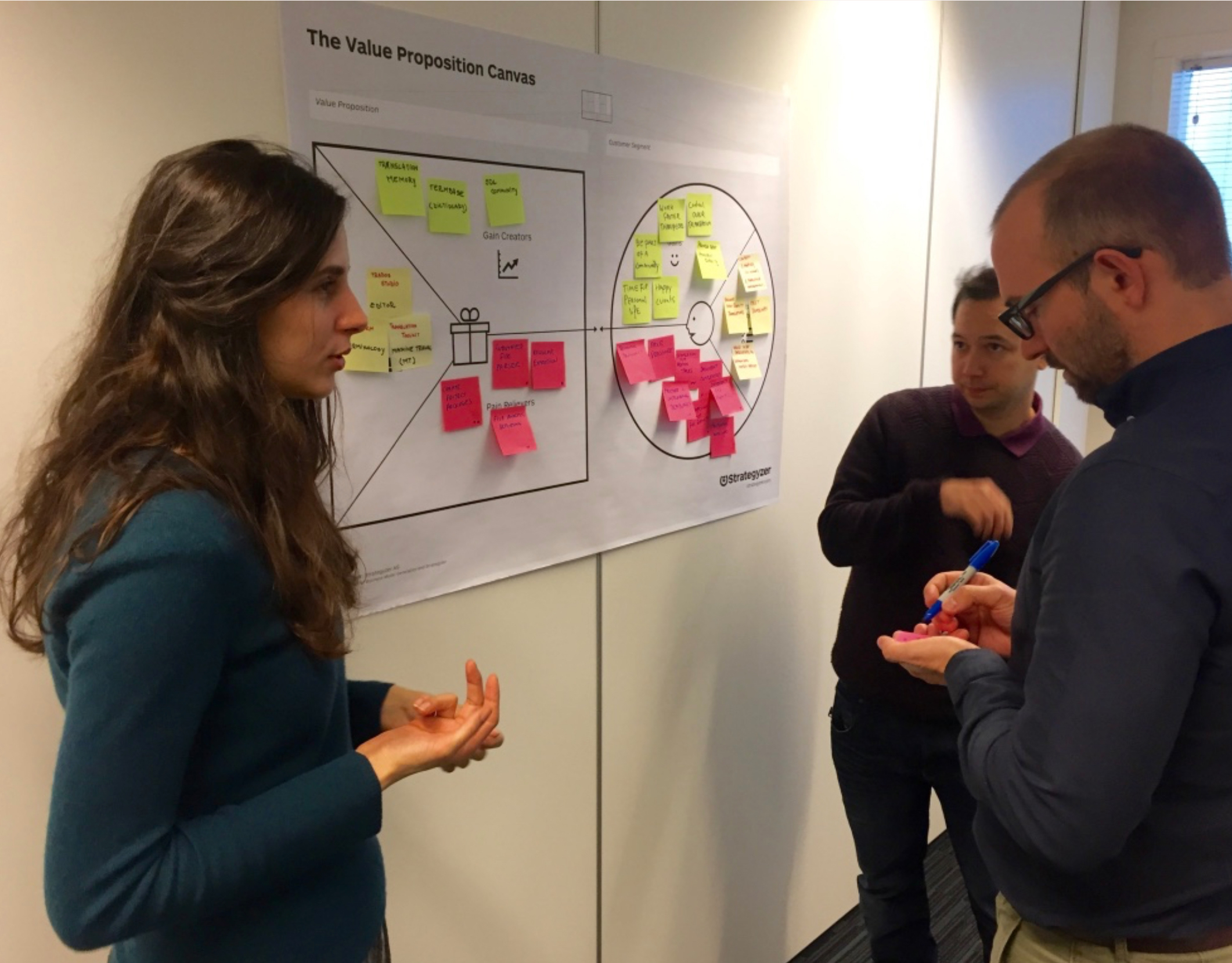
Intuit was renowned for its focus on design and customer obsession, but when I joined as Senior Product Designer and Innovation Lead in France, I found a gap in the reality of it: researchers were reconstructing insights from memory after every project, knowledge disappeared when people left, and there was no shared system across the international organization.
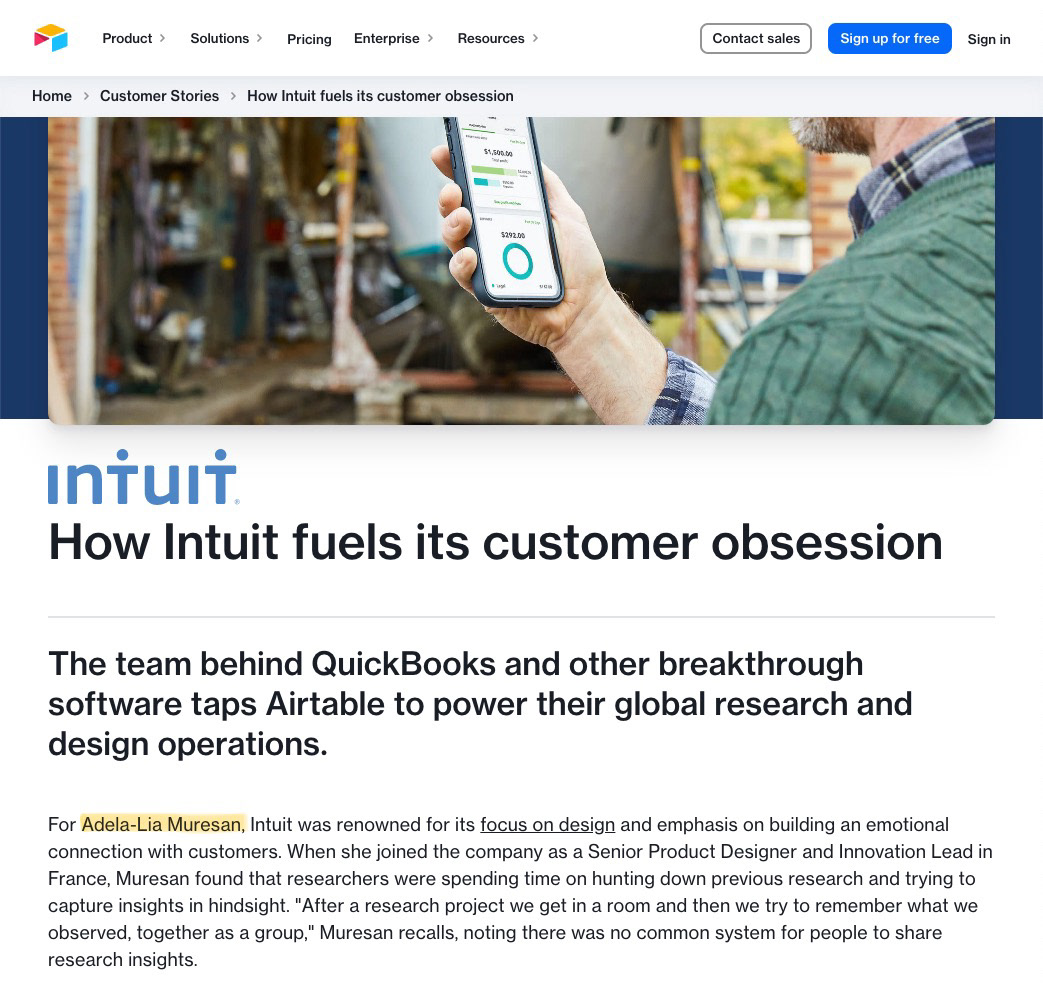
I built that system and Airtable featured the initiative as a case study: "How Intuit fuels its customer obsession — The team behind QuickBooks taps Airtable to power their global research and design operations."
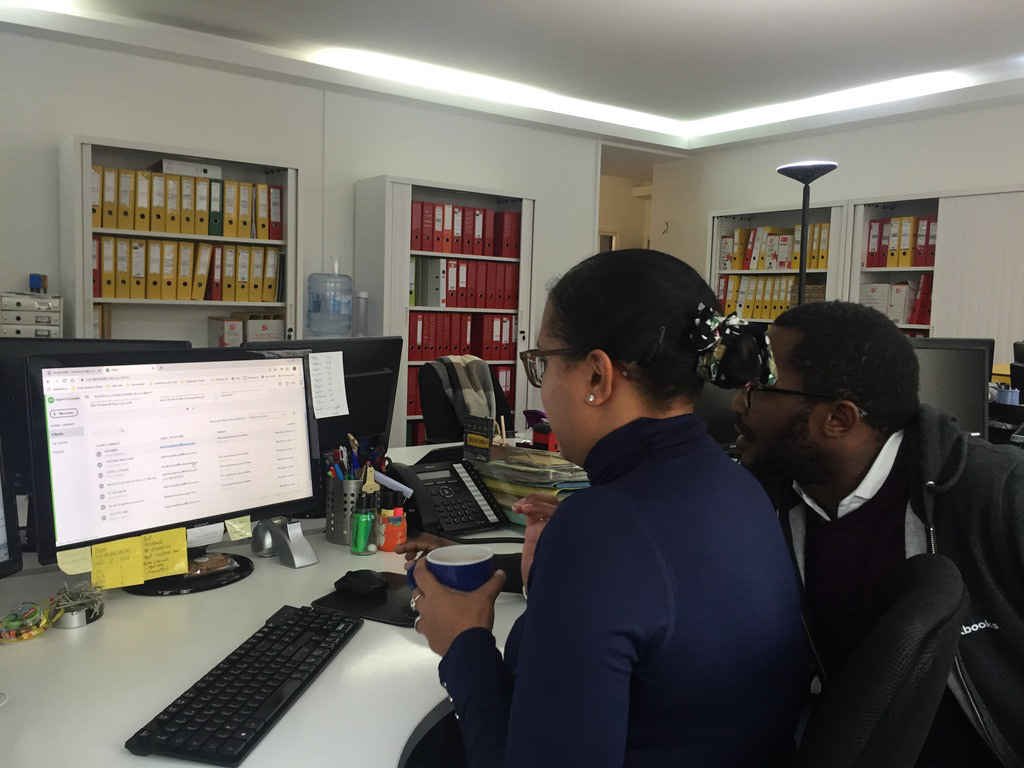
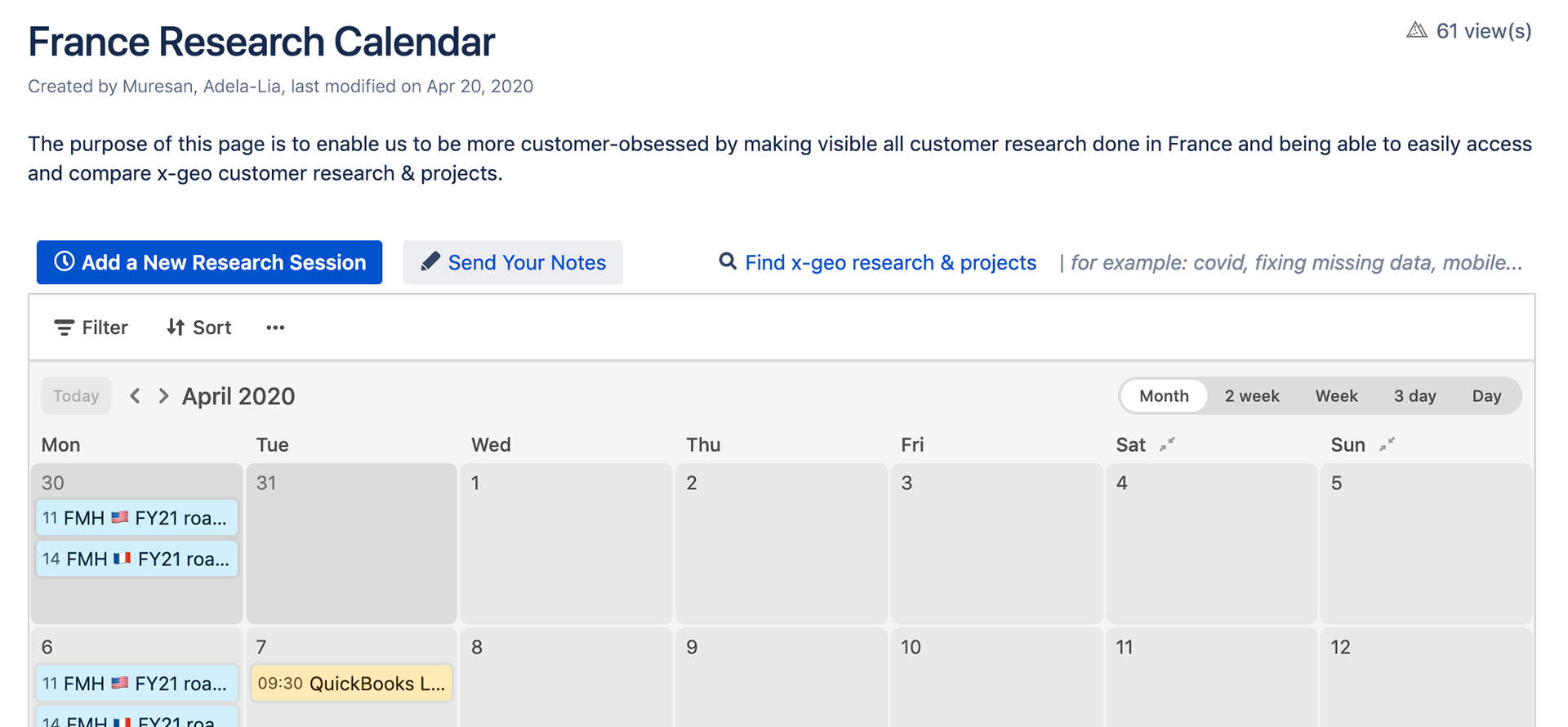
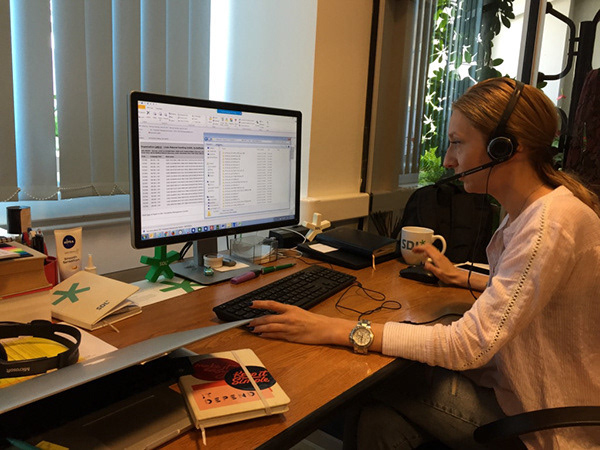

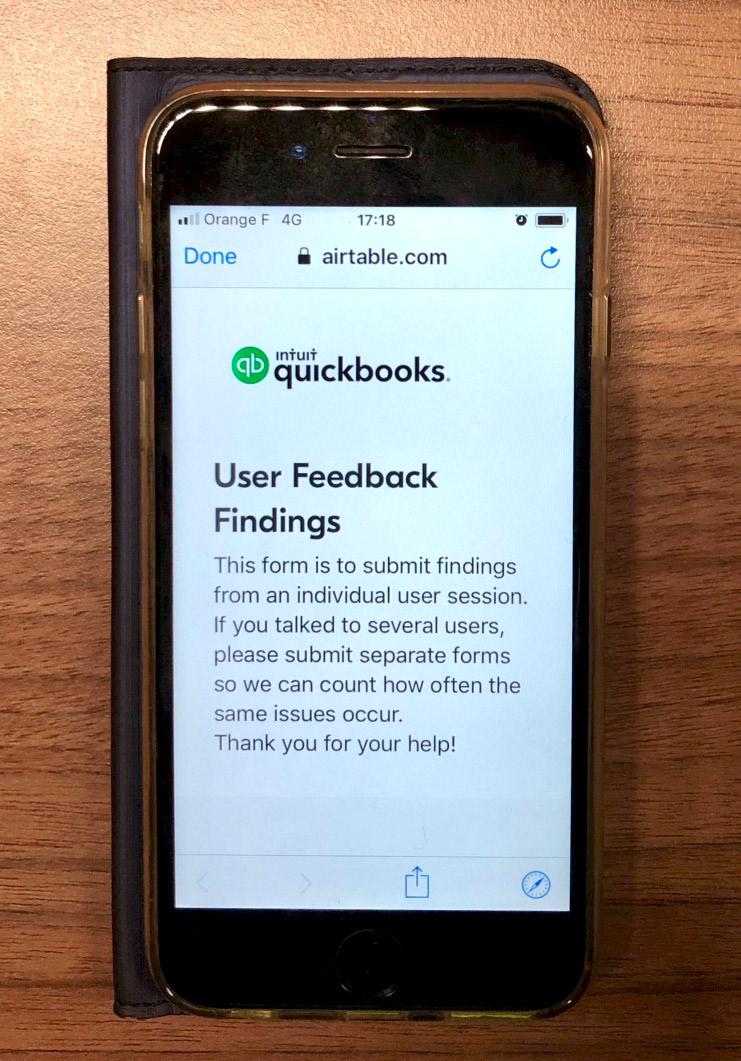
Having learned atomic research methodology directly from Tomer Sharon — Head of User Experience at WeWork and author of Validating Product Ideas — at his workshop in Paris in 2016, I knew what good looked like. I built an experimental MVP in Confluence for the French team first, making all customer research visible and searchable by feature, persona, usability problem, or idea. The traction was immediate which proved that it solved a real problem.
Other product and design teams wanted in. I was trusted to lead the initiative to scale the system internationally using Airtable, eventually spanning 12 teams across France, UK, Australia, Canada, India, and Mexico. So I proposed and built Intuit's first international insights database using the Atomic Research methodology, starting with an Airtable MVP in France, then scaling it in the six regions: France, UK, Australia, Canada, India, and Mexico. The system, named "International Truth," became the operational backbone of Intuit's global design organization.
The results were concrete: research that previously took a week to locate became immediately searchable. Costly duplication of studies was eliminated. Teams across seven time zones could access the same research nuggets, templates, and best practices. For the first time, the International Design Director could measure customer obsession, creative exploration, and efficiency across all teams the 6 geographies — introducing number-of-experiments as a new KPI.
Later in my work as a Principal Product Designer specializing in discovery initiatives, I personally used the system to log +200 research sessions, 3 diary studies, 3 fake-o tests & 10 in-product experiments, extracted +30 learnings translating into 5 nichedesign concepts leading to 2 innovative product features.