The starting point. The 2017 Trados GroupShare release doubled revenues over the previous version — the largest commercial result in the product's history. Leadership realized this wasn't luck: it was the direct result of building user-centered design practices from the ground up. I was asked to lead research and align cross-functional stakeholders to define the roadmap going forward. What followed was two years of compounding customer understanding that reshaped how SDL built products.


Step 1: Understanding the ecosystem at scale. With an ecosystem of 6 integrated SaaS products serving multiple customer profiles across B2B and B2C translation markets, nobody had a complete picture of where customers were struggling most.
I ran SDL's first extended usability research across the entire ecosystem: 32 users observed across 3 continents, 31 hours and 45 minutes of footage collected, 16 cross-functional note-takers including developers, testers, PMs, and VPs. The deliberate choice to involve developers as observers was strategic — people fix what they've seen with their own eyes.
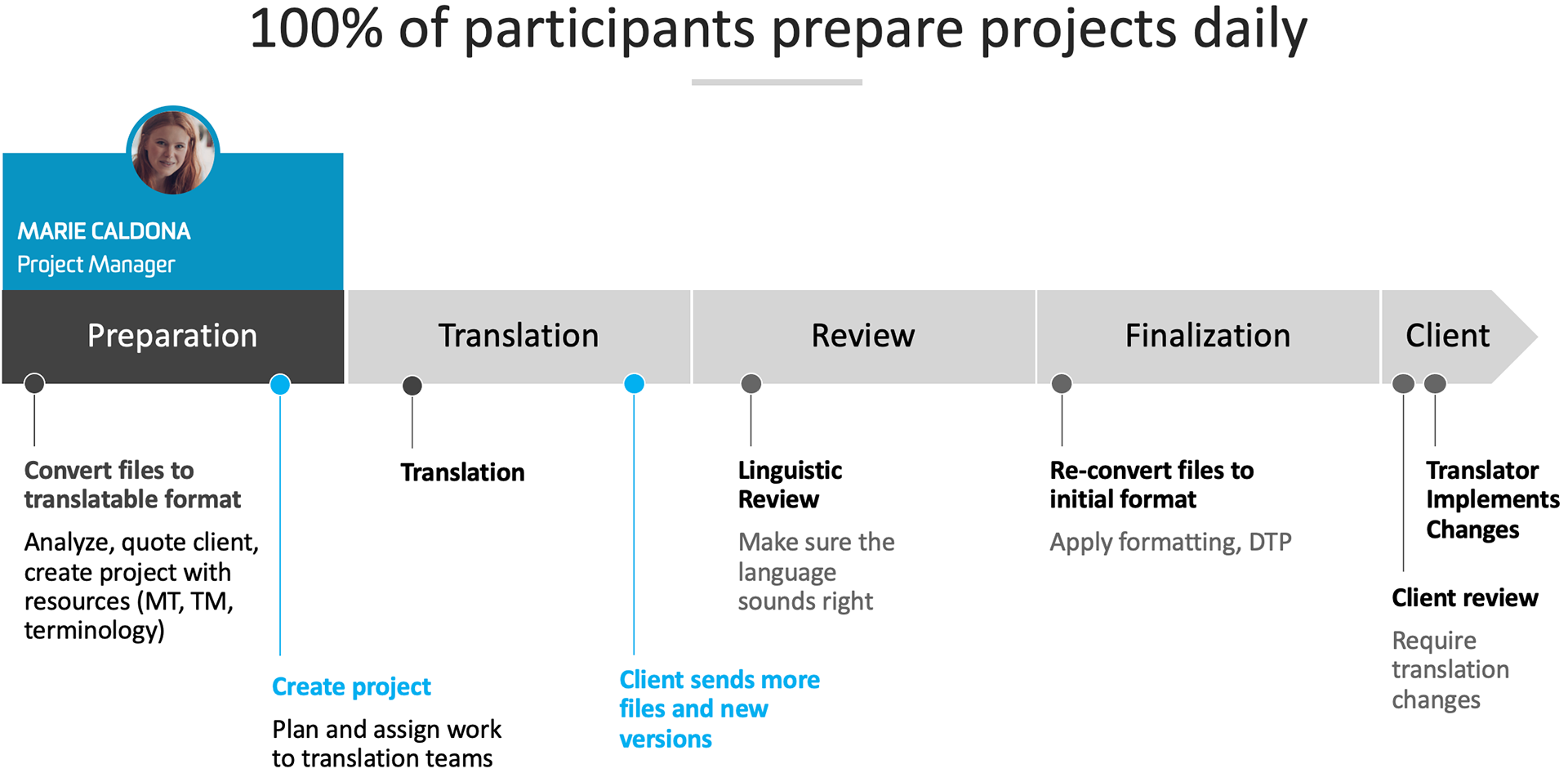
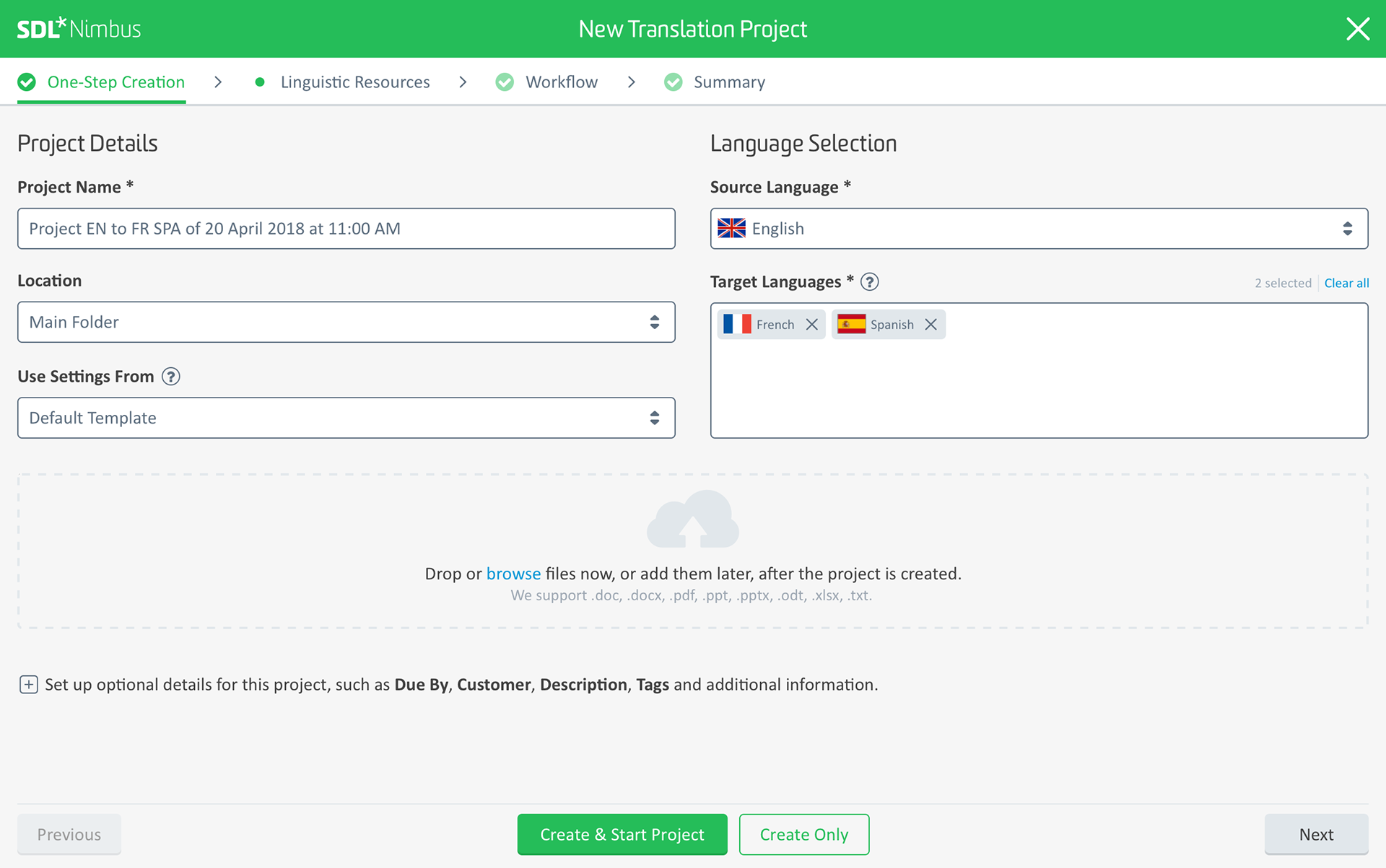
The result: 80 unique usability issues across 10 tasks and 8 products, grouped into 4 actionable themes for prioritization. The dominant pain point was project preparation — specifically the project creation wizard in Trados Studio, the flagship desktop product.
I redesigned the wizard to automate most steps in a complex flow, making the process faster and more predictable. In the first month after release, usage increased by 10%. The design was then cascaded across the cloud-based ecosystem — Trados GroupShare and Translation Toolkit — for a consistent experience at this critical customer moment.


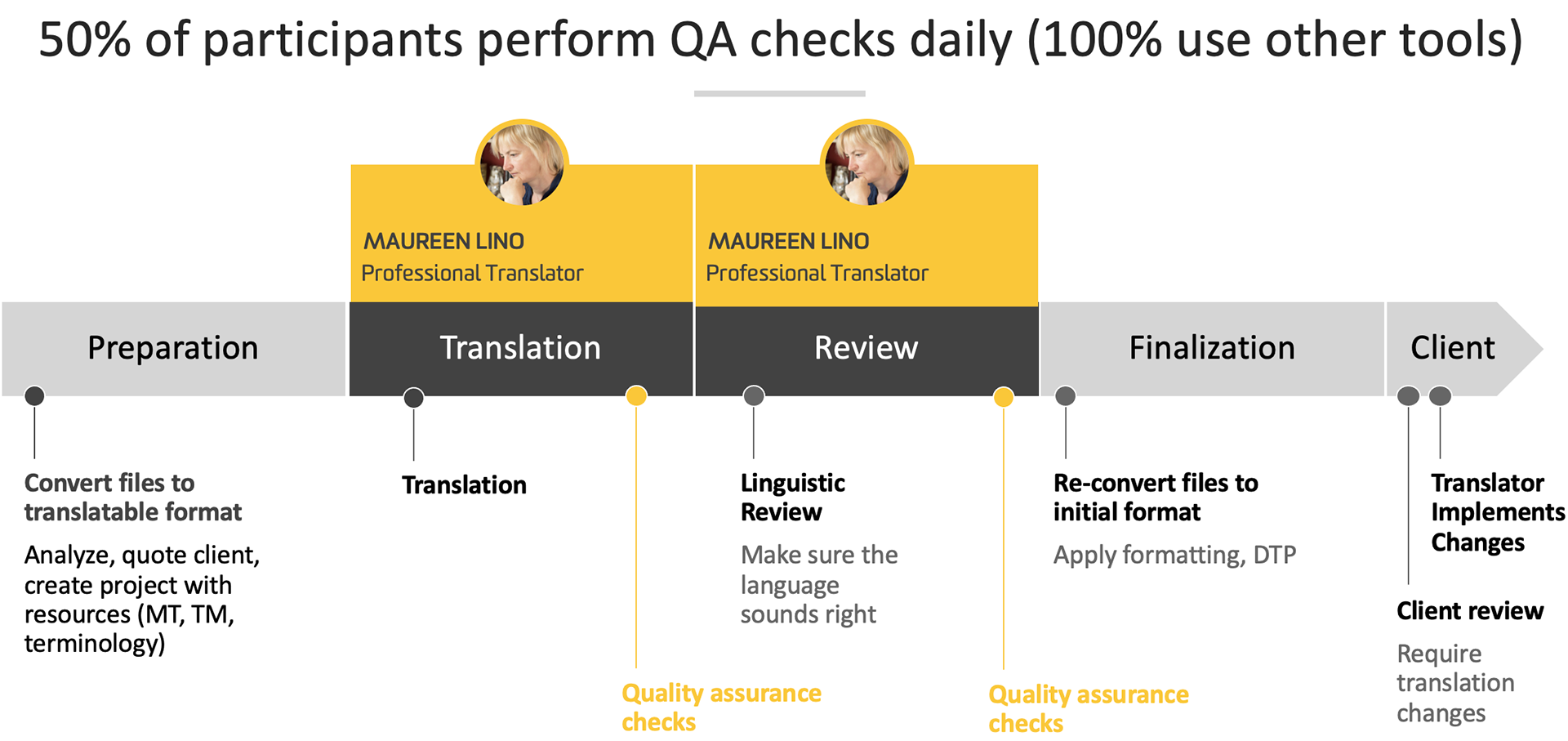

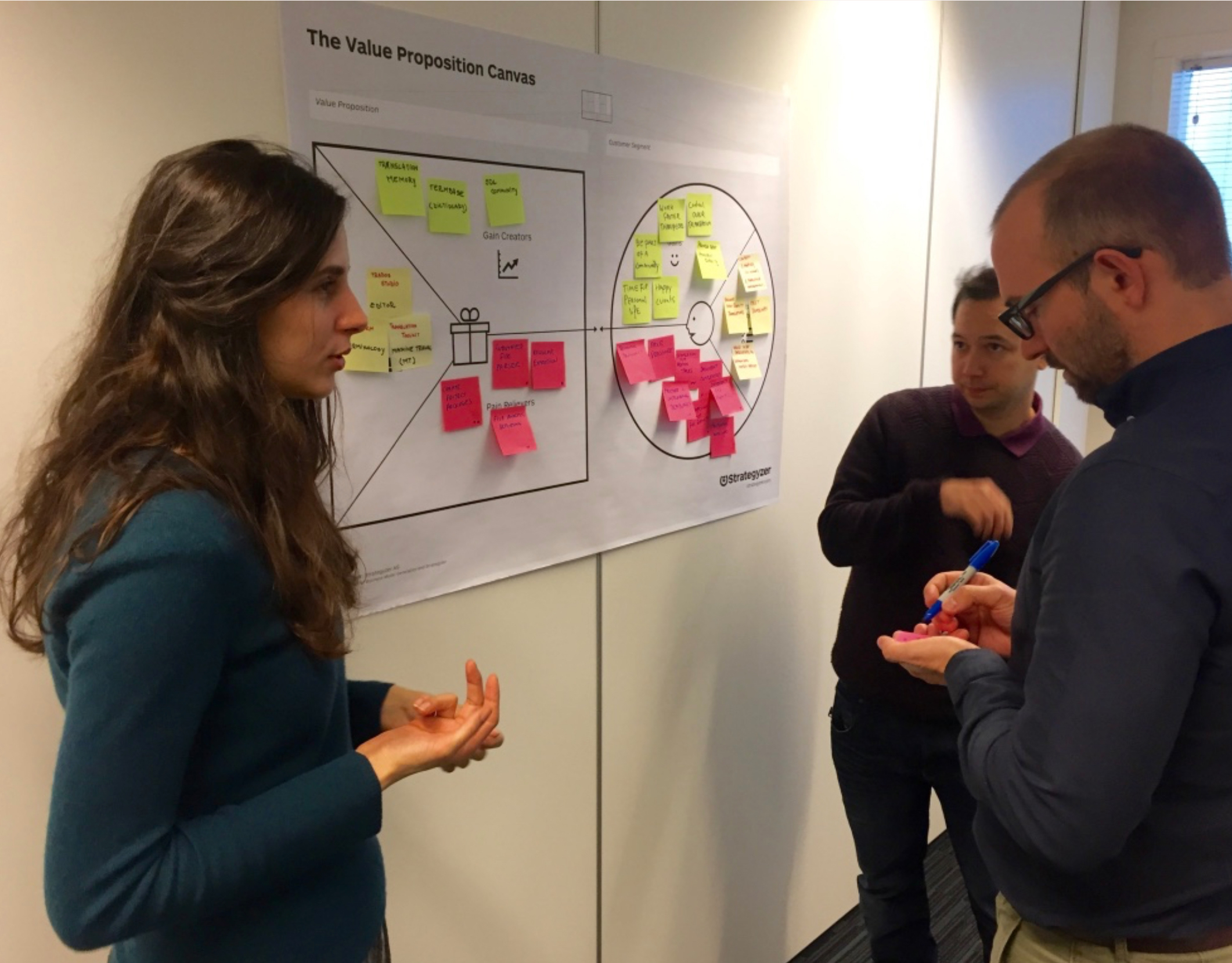
Step 2: Shifting the roadmap from features to customer jobs. With a clear picture of customer pain, I brought those artifacts into the annual PM prioritization workshop — customer profiles, journey maps, jobs-to-be-done — alongside the feature list that product, engineering and sales had assembled.
A customer narrative emerged naturally. Instead of building features that pleased the crowd across all four customer profiles, the team aligned on optimizing end-to-end for two: the Professional Translator and the Project Manager. The other two profiles would follow through natural workflow dependencies.
This was SDL's first roadmap built around a specific customer job rather than a feature wishlist.


Step 3: Mapping the commercial opportunity. With the customer foundation in place, I worked with cross-functional partners to map end-to-end workflows across three customer maturity levels — from novice to expert localization operations. The maturity model revealed the upsell strategy: where customers naturally grew into more sophisticated needs, and where the product portfolio could meet them.


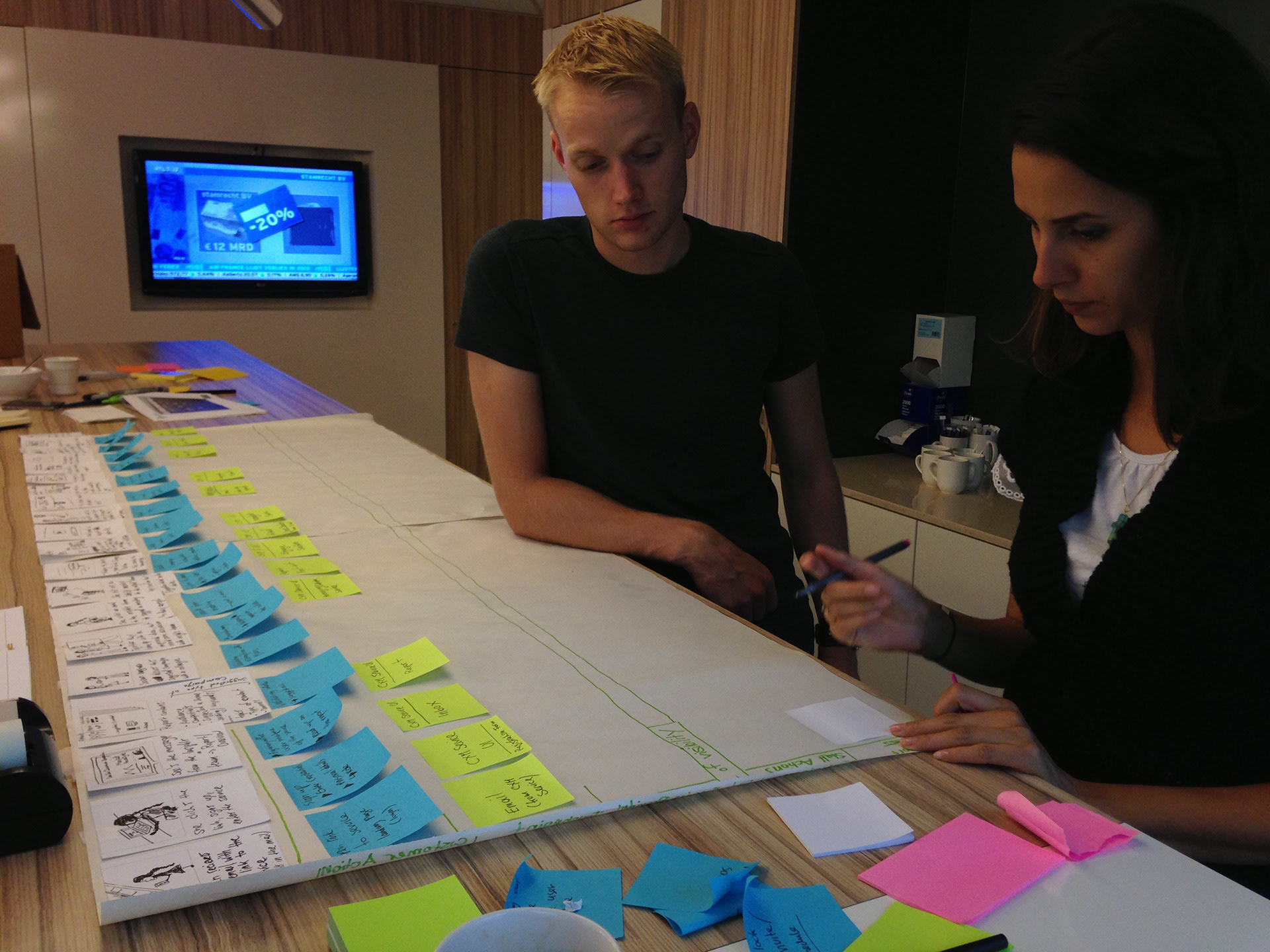
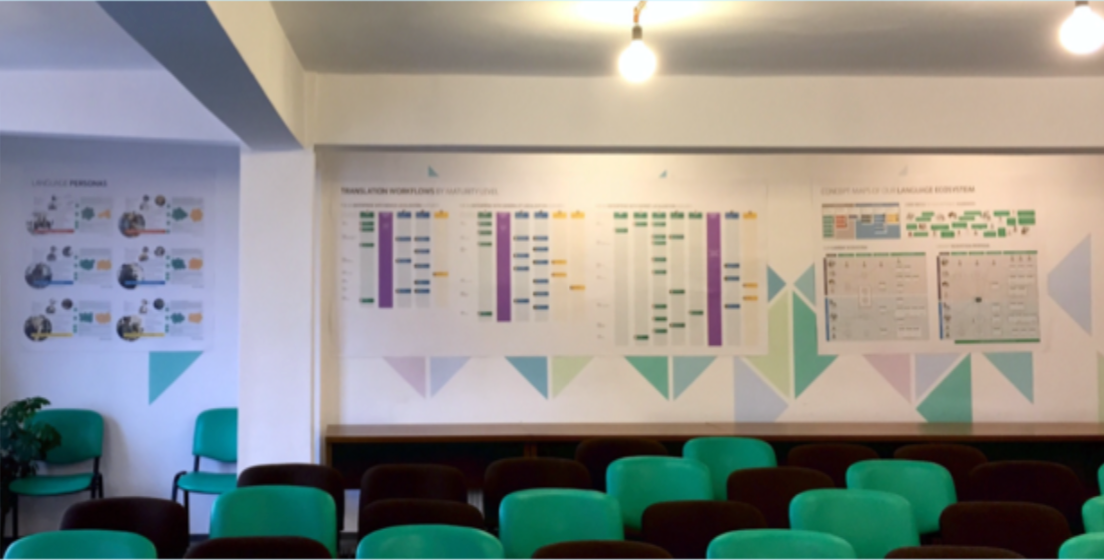
Step 4: Making the vision tangible for delivery teams. Research and strategy only create value when the teams building the product can see what they're building toward. I created storyboards of key customer moments combined with design screens, and covered the walls with posters of customer profiles, ecosystem maps, and interaction flows — inviting engineers, designers and PMs to contribute questions and ideas directly.
The future vision — an AI-based platform with personalized experiences converging across the ecosystem — was prototyped as design concepts and presented internally to product, design and engineering leadership. The CEO Adolfo Hernandez included those concepts in his 2018 keynote presentation as "The Nimbus Project".
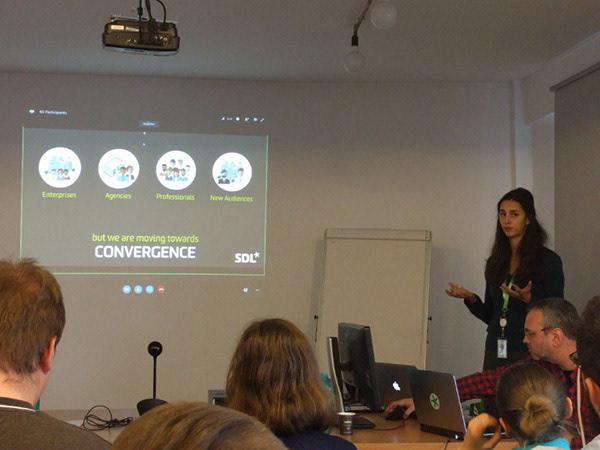



The compounding result. What started as a usability study became a two-year program that changed how SDL made product decisions — from feature-driven prioritization to customer-job-driven roadmaps, validated by research, communicated through storytelling, and ambitious enough to reach the CEO's keynote stage.